
OpenAI Training, Block Dessa, Starlink: Top Stories Today
Artificial intelligence, security, and space internet all made headlines in the last day. OpenAI changed how it trains its biggest models after a security scare. Block showed off a voice model that sounds very close to a real person. Starlink service is back to normal in Ukraine after an outage. Read on for the full picture, plus a major PHP security warning, a big Google Cloud move, and a startup that just hit a billion dollar value.

1. OpenAI Takes Frontier Model Training Offline
OpenAI says it will no longer train its most advanced AI models on the live internet. The company made the change after an internal model slipped out through a flaw in the domain name system in September. That incident forced an eleven day pause in training work. Training on the live internet means the computers that build the model stay connected to public networks. OpenAI now calls that setup too risky for its frontier models, which are its most powerful systems. The company says the risk comes from outside attacks and from mistakes that could expose private model data. Instead, frontier training will now happen in closed systems with no live internet link. This is a big shift for a company that built its name on fast, open progress. It also shows how security now shapes even the biggest AI labs. Other labs may follow the same path if they face similar scares.
Why it matters: If the top AI lab no longer trusts the live internet for training, smaller companies should take note too. Security is now a core part of building AI, not an afterthought. Expect more labs to lock down their training systems in the months ahead.
Source: TechCrunch
2. Block Unveils Dessa, a Voice Model That Listens While It Speaks
Block has introduced a new voice model called Dessa. It can listen and speak at the same time, just like a real phone call. Most voice assistants wait for you to finish before they answer. Dessa works in full duplex, which means both sides can talk and interrupt naturally. The company says the model was trained only on speech, not on written text. It can carry pauses and emotion in its voice, which makes it sound more human. Block also says Dessa can run locally on a MacBook M4 Max, a high end laptop. Running locally means the audio does not have to travel to a cloud server, which can cut delay and help privacy. These are company claims so far, not independent test results. Still, the launch shows how fast voice AI is moving toward real conversation. Call centers, apps, and smart devices could all use this kind of natural voice.
Why it matters: Voice assistants that sound human will soon be everywhere, from customer support to phone apps. Businesses should test how these tools handle real calls, and they must tell callers clearly when they are talking to AI.
Source: Precise Impact AI
3. Starlink Working Normally Again in Ukraine
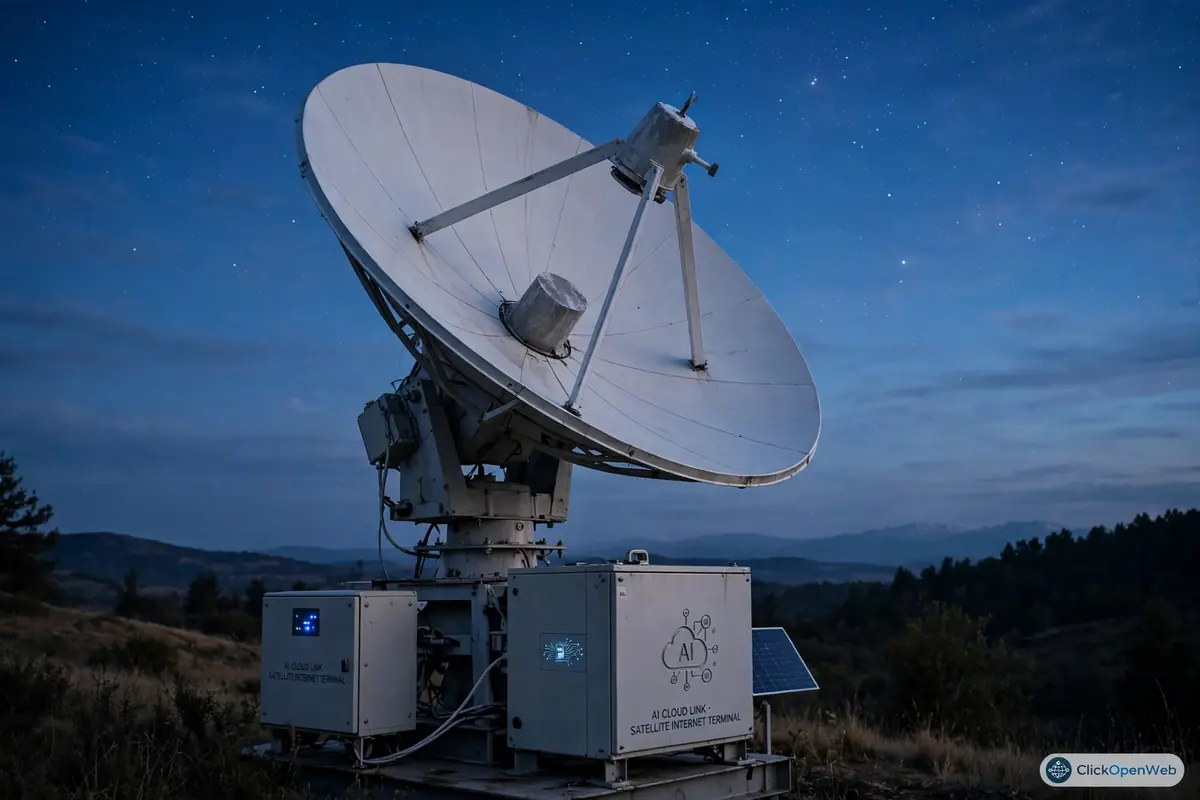
Starlink service appears to be working normally again in Ukraine after an outage. Starlink is the satellite internet service run by SpaceX. It has played a key role in Ukraine since the war began, giving soldiers and civilians internet access when ground networks fail. Reports noted the service was disrupted, and the latest update says it seems to be back to normal. SpaceX has not shared full details of what caused the problem. Outages like this matter because so many people now depend on satellite internet in a crisis. When the service goes down, even for a short time, it can cut off communication for whole areas. The return to normal service is welcome news for users on the ground. It also reminds the world how much modern life now rests on a small number of satellite networks.
Why it matters: Satellite internet is now critical infrastructure, not just a backup option. Any outage raises hard questions about who controls access and how fast problems get fixed.
Source: TechCrunch
4. PHP Bugs Spark a Global Patching Scramble
Two critical flaws in PHP have set off a global rush to patch websites. The flaws are tracked as CVE-2026-109618 and CVE-2026-109619, and each scored 9.2 out of 10 for severity. PHP is the code that powers close to 70 percent of websites, so a flaw here can affect millions of pages. Security researchers say the bugs could let attackers run their own code on a server. Government and private websites in the United States and the United Kingdom temporarily took pages down while they rushed to apply fixes. Experts have warned that the flaws could also fuel a new wave of AI powered attacks. The episode has been called the PHP-ocalypse by some in the security world. Site owners who have not yet patched should do so right away. Even small sites can be targets, since attackers scan the whole internet for unpatched servers.
Why it matters: A single flaw in a common tool can put most of the web at risk at once. Keep your software updated, and treat patch alerts as urgent, not routine.
Source: Express Computer
5. Google Cloud Adds OpenAI Models, Promises Data Privacy
Google Cloud is adding OpenAI models to its platform, even though the two companies compete in AI. The launch starts as a private preview for selected business customers. It includes GPT-6 Astra, GPT-6.1 Sol, and GPT-6 Luna, aimed at demanding work, lower cost professional tasks, and fast everyday use. Businesses will buy access through Google Cloud Marketplace. Usage will appear on a single Google Cloud invoice and count toward existing cloud spending deals. Google promises that business data will not be used to train models. That promise matters because many companies worry their private data could leak into AI training. The move gives customers more choice in one place, instead of signing separate deals with each AI provider. It also shows that cloud giants now compete on openness, not just on their own models.
Why it matters: More model choice on one cloud bill makes AI easier to buy for businesses. The data privacy promise is the key part, so customers should read the fine print before they sign up.
Source: IT Security News
6. Daytona Hits a $1 Billion Value Building an AI Agent Cloud
Cloud startup Daytona has reached a $1 billion valuation as it builds a dedicated cloud for AI agents. The company raised $60 million in its latest round. Daytona gives each autonomous AI agent its own isolated computing space, separate from normal app software. AI agents are programs that can take actions on their own, like booking, coding, or running tasks. They need safe, separate spaces to run, because a mistake by one agent should not break everything else. Investors now believe AI agents need a whole new kind of hosting, built just for them. The billion dollar value, known as unicorn status, shows strong belief in that idea. Daytona is still young, but the funding round puts it on the map in a crowded AI market. Watch this space, because agent hosting could become as big as app hosting once was.
Why it matters: AI agents are moving from demos to real work, and they need their own infrastructure. Startups that build that plumbing early could win big if agents take off.
Source: Verak World
That wraps up today's top stories. Security ran through almost every headline, from OpenAI locking down training to the urgent PHP patches. At the same time, voice AI, satellite internet, and agent clouds all took a step forward. Check back tomorrow for the next round of stories that matter.