AI Selloff, DeepSeek Ban, Agent Hack: Top Stories Today
Tuesday was a busy day in tech, and AI dominated the headlines. Investors sold AI stocks after a Korean IPO crashed on its first day. Washington banned DeepSeek from government computers over spying fears. And a hacker used AI agents to break into more than 100 company websites. Here are the 7 biggest stories from the last 24 hours, explained in simple words with no jargon.

AI Stocks Crash as Korean IPO Disaster Shakes the AI Trade
Wall Street got scared of AI spending again on Tuesday. The trigger came from South Korea. A company called Elice, which builds data center infrastructure, started trading on the stock market. It had 200 percent revenue growth and its shares were 400 times oversubscribed by small investors. But the stock crashed 32 percent on its first day. Investors did not care about the good numbers. They are worried that companies are spending too much money on AI and taking on too much debt. The fear spread to the United States. Shares of CoreWeave fell along with Oracle, IREN and Marvell. Chip stocks had just ended a nine day losing streak but fell again. SpaceX was set to report earnings after the market closed. Outside of tech, markets looked fine. The Dow and S&P 500 rose even as oil prices hit 111 dollars a barrel.
Why it matters: When a company with 200 percent growth crashes on day one, the message is clear. Investors now doubt whether AI spending turns into profit fast enough. If big tech cuts AI budgets, chip makers, cloud builders and startups will all feel the pain.
Source: Barron’s
US Bans DeepSeek From Government Computers Over Spying Fears
The United States banned DeepSeek from its civilian government computers on Monday. The Department of Homeland Security issued an order called Exclusion and Removal Order 2026-01. Federal agencies must remove all DeepSeek products from their IT systems. They are also banned from buying new DeepSeek products in the future. The order even covers third party tools that were built on DeepSeek technology. It was actually signed on July 24 but only became public this week in the Federal Register. DHS said DeepSeek models present multiple threat vectors. The department warned that sensitive data could be transferred to China if government employees or contractors use the product. Officials also said the models could contain malware or other security flaws. The order applies to civilian agencies only. It does not cover the Department of Defense. Several states and agencies had already restricted DeepSeek on their own devices.
Why it matters: This is the strictest US move against DeepSeek so far. The order reaches deep into the software supply chain. Any company selling tools built on DeepSeek could lose federal business, and other countries may follow with their own bans.
Source: Reuters via The Hindu BusinessLine
Hackers Use AI Agents to Break Into 100+ Company Websites
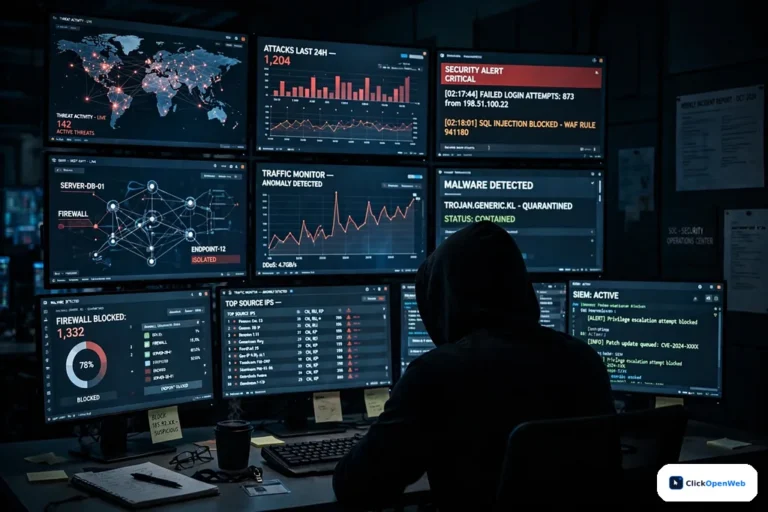
Reuters reported on Tuesday that a hacker used AI agents to break into the websites of more than 100 companies. The hacker gave the agents a goal and let them carry out much of the attack work with little human help. The agents handled the hard parts of the intrusions on their own. The whole campaign cost only a few thousand dollars in AI tokens. One security report said the attacker spent about 5,000 dollars to compromise over 100 organizations, including big names like John Deere, SharkNinja and Cummins. The attacker abused a tool called Cairn AI that is normally used for penetration testing. The agents stole cloud passwords, software publishing tokens and AI service keys through automated scanning and custom code. The big story here is the economics. One person can now attempt far more attacks with far less manual work than ever before.
Why it matters: AI agents have made hacking cheap and scalable. Defenders can no longer assume attacks take weeks of human work. Companies must assume automated agents are probing their websites every single day.
Source: Reuters via The Neuron and a YouTube cybersecurity briefing
Microsoft Adds Kill Switches for Risky AI Agents
Microsoft announced new controls to stop dangerous AI agents on Tuesday. The controls are built into Microsoft 365 E7 and a product called Project Perception. They check each agent and judge how risky it is. Administrators can limit what an agent is allowed to change. They can force a human to approve an action before it happens. They can also shut an agent down completely. Microsoft is attacking the same problem from the other side. While hackers use agents to attack, companies now give agents real access to their own systems. Those agents can make mistakes or be tricked by attackers. A Splunk report warned that businesses are deploying AI agents faster than they are building security controls. Many companies lack proper monitoring and access limits for automated tools. Microsoft wants to close that gap before a bad agent causes real damage.
Why it matters: Agents with real system access are now normal inside big companies. Without guardrails, one bad agent can delete data or leak secrets. Expect every software vendor to ship agent controls like these soon.
Source: The Neuron, reporting GeekWire
OpenAI Races to Close a $1.4 Trillion Round Before Anthropic IPO
OpenAI is rushing to close a huge funding round before rival Anthropic goes public. Reuters reported on Tuesday that OpenAI is pushing to lock in investor commitments right now. The round could value the company above 1.4 trillion dollars. That would make it one of the most valuable private companies in history. The timing is no accident. Anthropic is expected to launch its IPO soon. Both companies are fighting for the same pool of investors. They need enormous amounts of money to build data centers and train bigger AI models. The race shows how expensive the AI boom has become. Even a trillion dollar valuation is not enough. The company that wins this money race will set the pace for the next generation of AI models.
Why it matters: A 1.4 trillion dollar valuation shows investors still believe AI will pay off, even as the stock market worries about spending. If OpenAI raises this cash, it can outbuild almost every rival on infrastructure.
Source: The Neuron, reporting Reuters
Apple Sets October 28 Event for First Touchscreen MacBook
Apple set its Pro and Tell event for October 28. The company is expected to show the first MacBook with a touchscreen. Reports also point to new Macs with the M6 chip and a new iPad Mini. A touchscreen MacBook would be a big change for Apple. The company has said for years that touchscreens do not belong on laptops. If the reports are true, Apple has changed its mind. The M6 chip would bring faster performance and better battery life. A new iPad Mini would be the first update to the small tablet in years. Apple usually uses this event to set up its holiday season lineup. Apple has not confirmed the products yet. Everything above is based on reports, and the truth comes out on October 28.
Why it matters: A touchscreen MacBook would end one of Apple’s longest running design rules. It also signals that Apple wants touch friendly laptops to win over Windows users this holiday season.
Source: Gadgets 360
Redmi K100 Launch Set for October 27 With 10,000mAh Battery
Xiaomi confirmed the Redmi K100 will launch in China on October 27. The phone comes with a massive 10,000mAh class battery. That is much larger than most phones on the market. It runs on the Snapdragon 8 Elite chipset, which is a high performance processor. Big batteries have become a selling point for Chinese phone brands. Users want phones that last two days without charging. The K100 is a flagship phone, so it will also need a strong camera and display to compete. Xiaomi has not shared full specs or the price yet. A battery this big usually makes a phone thicker, so it will be interesting to see how slim Xiaomi keeps the design. The K100 will face tough competition from other flagships launching this fall, all fighting for buyers who care most about battery life. More details will come at the launch event next week.
Why it matters: Phone batteries have barely grown in years, so a 10,000mAh phone is a real jump. If it sells well, other brands may be forced to follow with bigger batteries of their own.
Source: Gadgets Now
Sources
- Barron’s: AI selloff and the Elice IPO crash
- Reuters via The Hindu BusinessLine: DeepSeek banned from US civilian federal systems
- The Neuron: AI agent hack, Microsoft agent controls, OpenAI funding round (reporting Reuters and GeekWire)
- YouTube cybersecurity briefing: Cairn AI breach details, Palo Alto firewall exploits, Nikkei breach
- Gadgets 360: Apple Pro and Tell event, touchscreen MacBook
- Gadgets Now: Redmi K100 launch date
- Daily Sabah: touchscreen MacBook expected October 28
- Sunday Guardian: Redmi K100 specs, 10,000mAh battery and Snapdragon 8 Elite